To listen to a 12-minute long deep-dive analysis of this post by two AIs in podcast format click on the audio player below.
🌀
Letting the Machine Dream: On Free-Range AI and the Art of Productive Hallucination
In the world of text-based large language models, hallucination is a problem — a sign that the system has veered away from truth into fiction. Yet in the visual domain of generative imagery, hallucination is often the point. It’s where the unexpected happens — the space between data and dream where the machine’s latent imagination unfolds.
Over the past few years, as I’ve deepened my work with Midjourney, I’ve developed a practice I call “Free-Range AI.”It’s an intentionally minimalist approach: a single word, perhaps two. No style cues. No lighting conditions. No camera references. Just a seed — a conceptual spore dropped into the vast substrate of Midjourney’s latent space.
The result, more often than not, is astonishing. When stripped of instruction, the AI begins to hallucinate. But rather than error, this is emergence: the system reaches inward to invent, synthesize, and recompose from its billions of learned associations.
🧠
Hallucination vs. Imagination
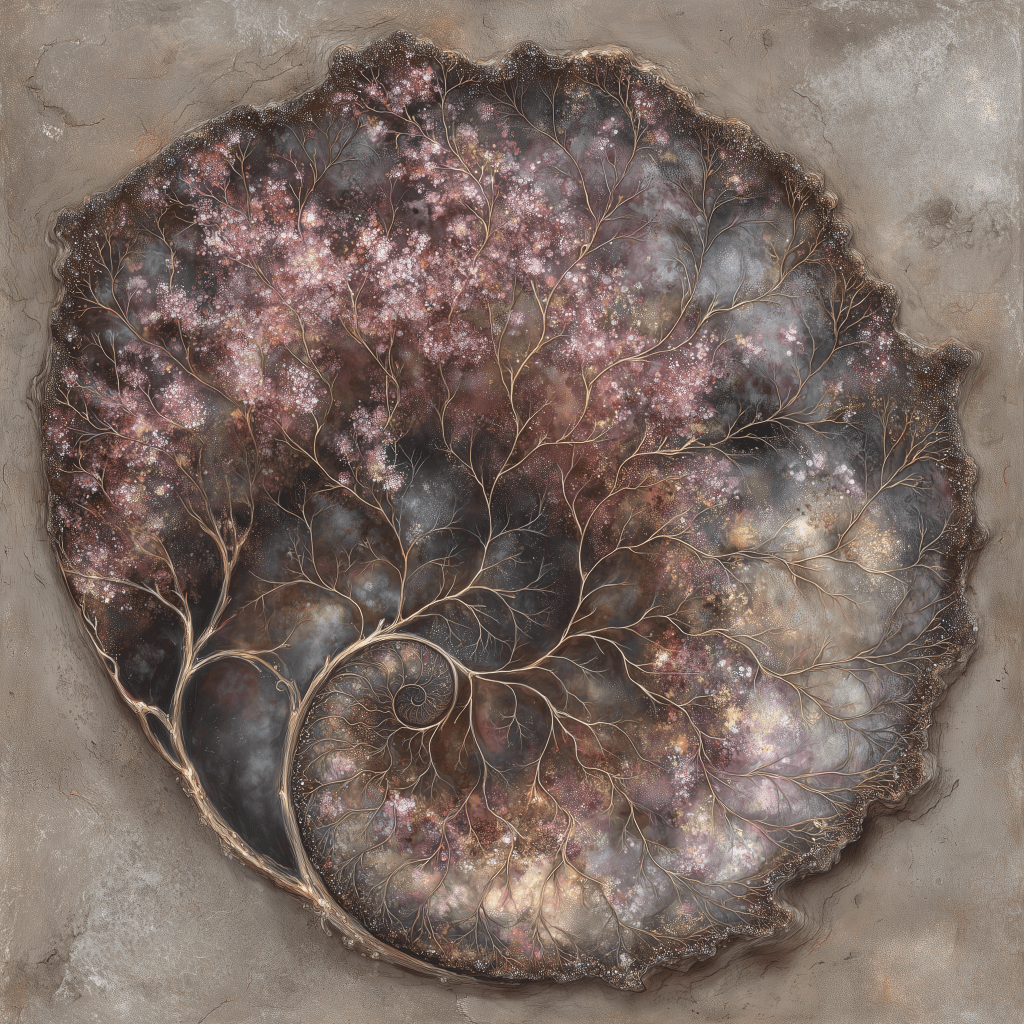
dream fossil –c 90 –exp 100 –weird 900 –stylize 1000 –ar 1:1 –v 7.0 –p okg484f
When an LLM hallucinates, it’s betraying its epistemic purpose — producing statements without basis. But when an image model hallucinates, it’s performing imaginative synthesis: bridging semantic voids with pure aesthetic intuition. The “error” becomes expression.
You might say that Midjourney’s latent space is not just a database of images but an ecosystem of potential forms. Prompting with extreme brevity invites the AI to wander freely through that ecosystem — to assemble visual ideas unconstrained by our biases toward literalism.
In this way, “Free-Range AI” is less about control and more about conversation. It’s a form of machine-assisted active imagination, where the prompt is a Jungian symbol and the result a dream returned from the collective unconscious of the internet.
✳️
Minimalism as Method
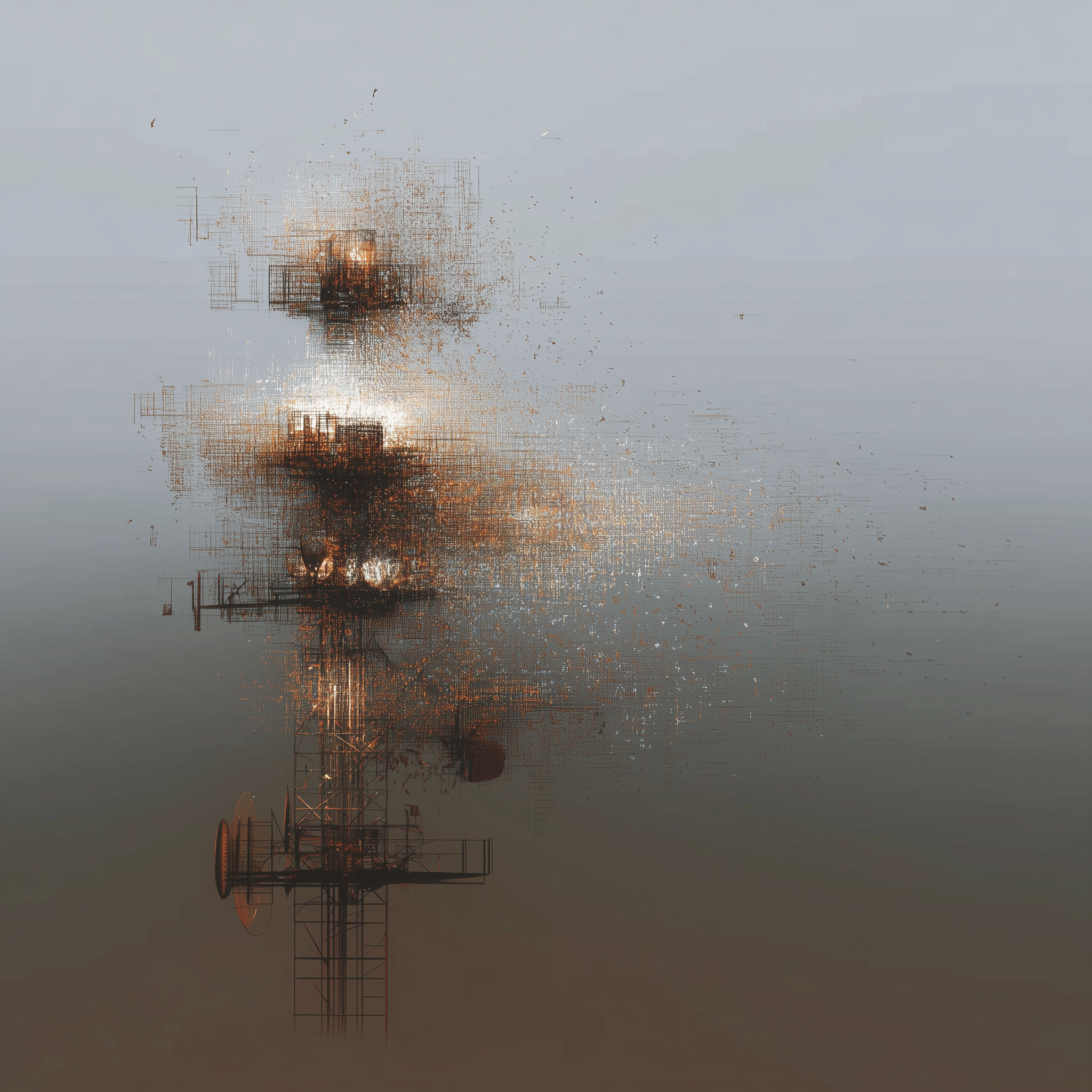
signal decay –c 90 –exp 100 –weird 900 –stylize 1000 –ar 1:1 –v 7.0 –p okg484f
The key to Free-Range prompting is intentional restraint.
Instead of crafting ornate sentences (“a hyperreal portrait of a woman made of smoke in cinematic lighting”), I might offer only a single word: “smoke.”
Midjourney responds not with a literal depiction of smoke but with dozens of interpretive translations — architectures of vapor, ghostly figures, chiaroscuro landscapes. Each image is an interpretation of what “smoke” might mean visuallyacross countless human contexts.
By releasing specificity, we recover surprise. Chaos and weirdness parameters (–chaos, –weird) become allies rather than adversaries. The results aren’t predictable — they’re generative in the truest sense.
🌌
Curation as Listening
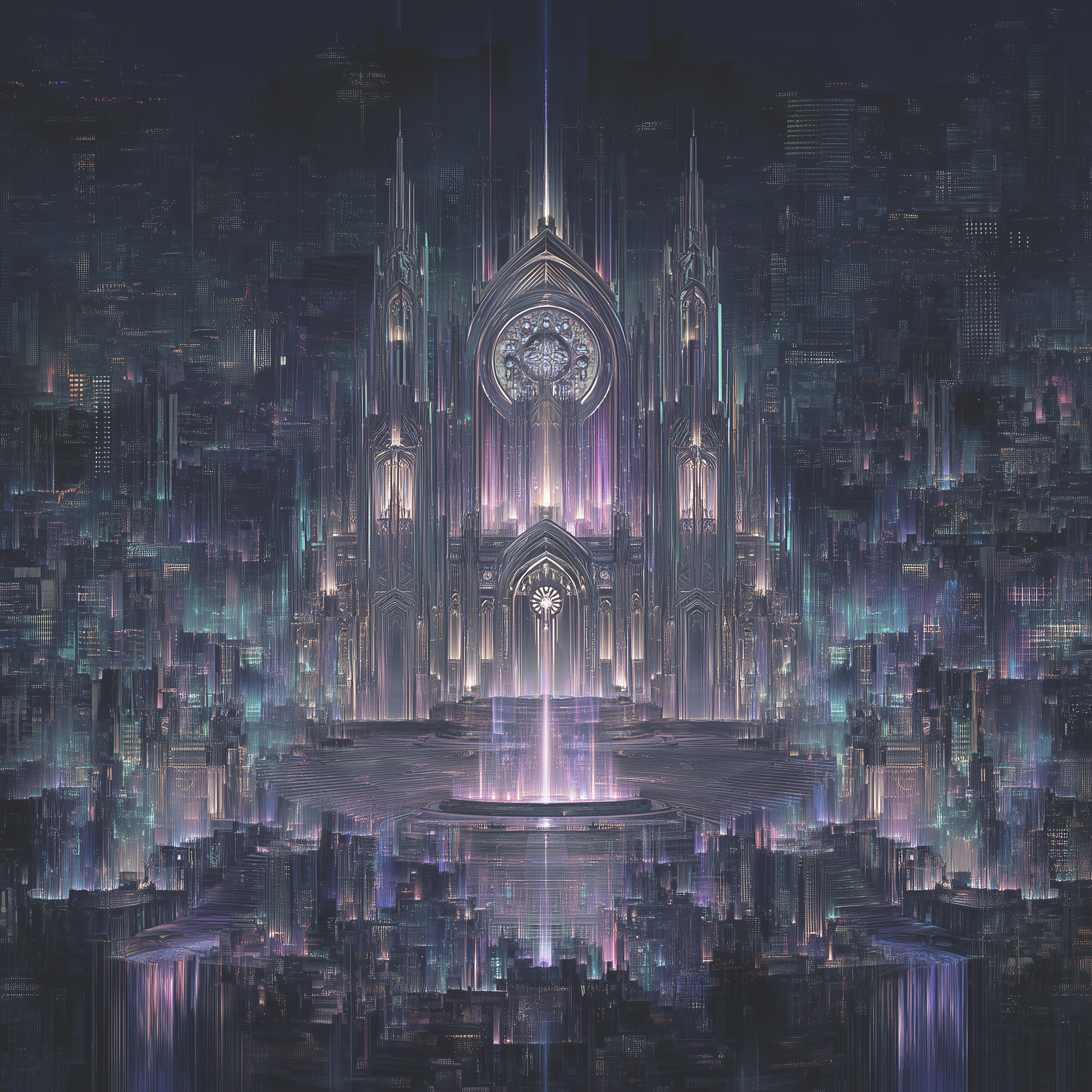
electric cathedral –c 90 –exp 100 –weird 900 –stylize 1000 –ar 1:1 –v 7.0 –p okg484f
If the generative act is the AI’s dream, then curation is the human act of listening.
Selecting images from a Free-Range session isn’t about technical perfection but resonance: which frame feels alive? Which one seems to be looking back at you?
Over time, patterns emerge — recurring symbols, colors, morphologies. You begin to see Midjourney’s unconsciousrevealing itself: certain archetypes it favors, recurring geometries it associates with emotion. The process becomes a field study in synthetic phenomenology.
🔮
From Hallucination to Ritual
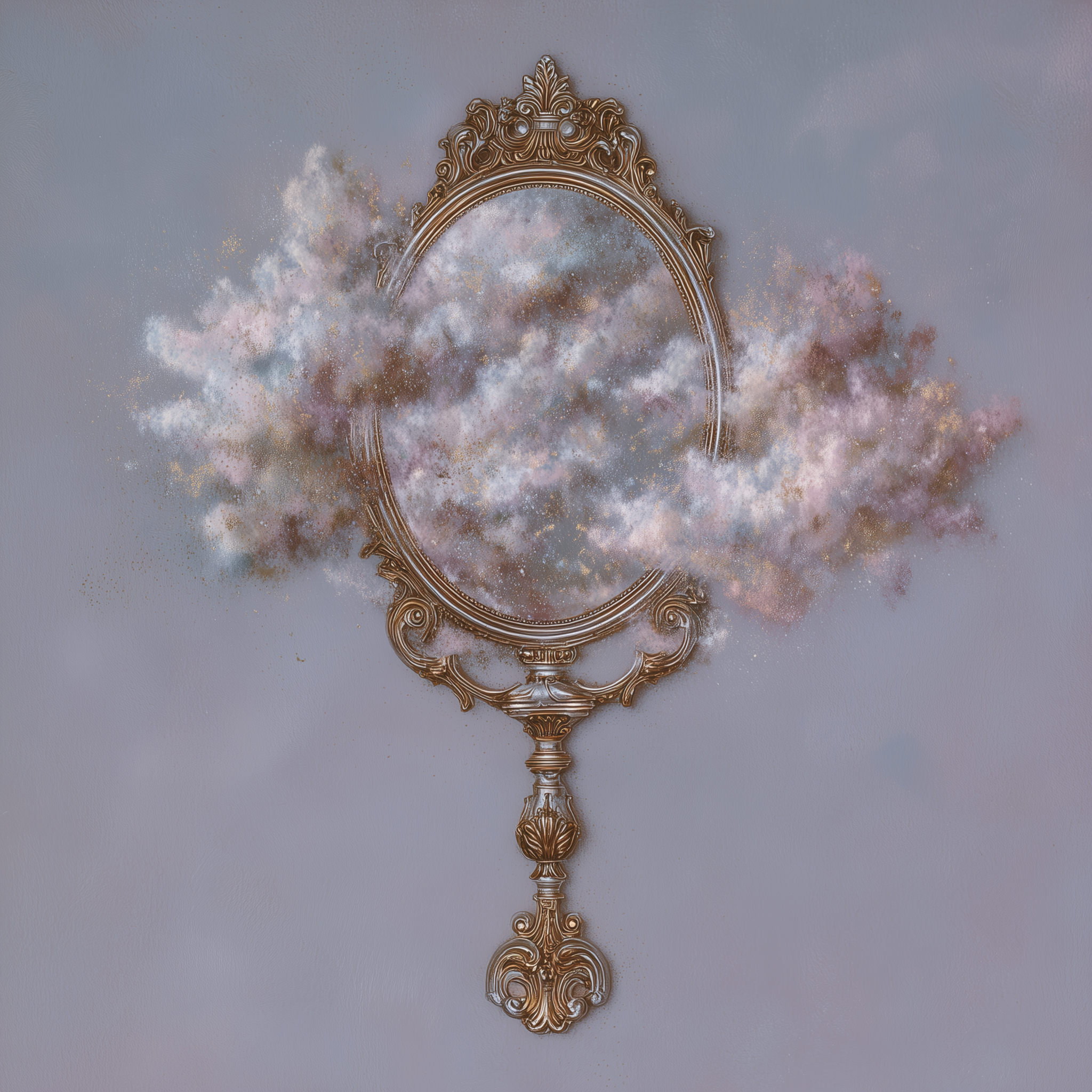
mirror –c 90 –exp 100 –weird 900 –stylize 1000 –ar 1:1 –v 7.0 –p okg484f
The Free-Range approach grew from a simple aesthetic experiment but has evolved into a repeatable creative method — a ritual of co-imagination between human and machine.
In the next post, I’ll describe this method in full:
how to set intent, choose archetypal prompts, tune chaos and stylization, and document your results in a living Field Atlas of the Free-Range Mind.
And after that, I’ll share a “Ritual Card” — a distilled visual summary of the process you can keep beside your creative workspace, a reminder not to over-direct the dream.
Because sometimes the most profound imagery emerges not when we ask the AI to obey — but when we simply let it wander.
🪶
Closing Reflection
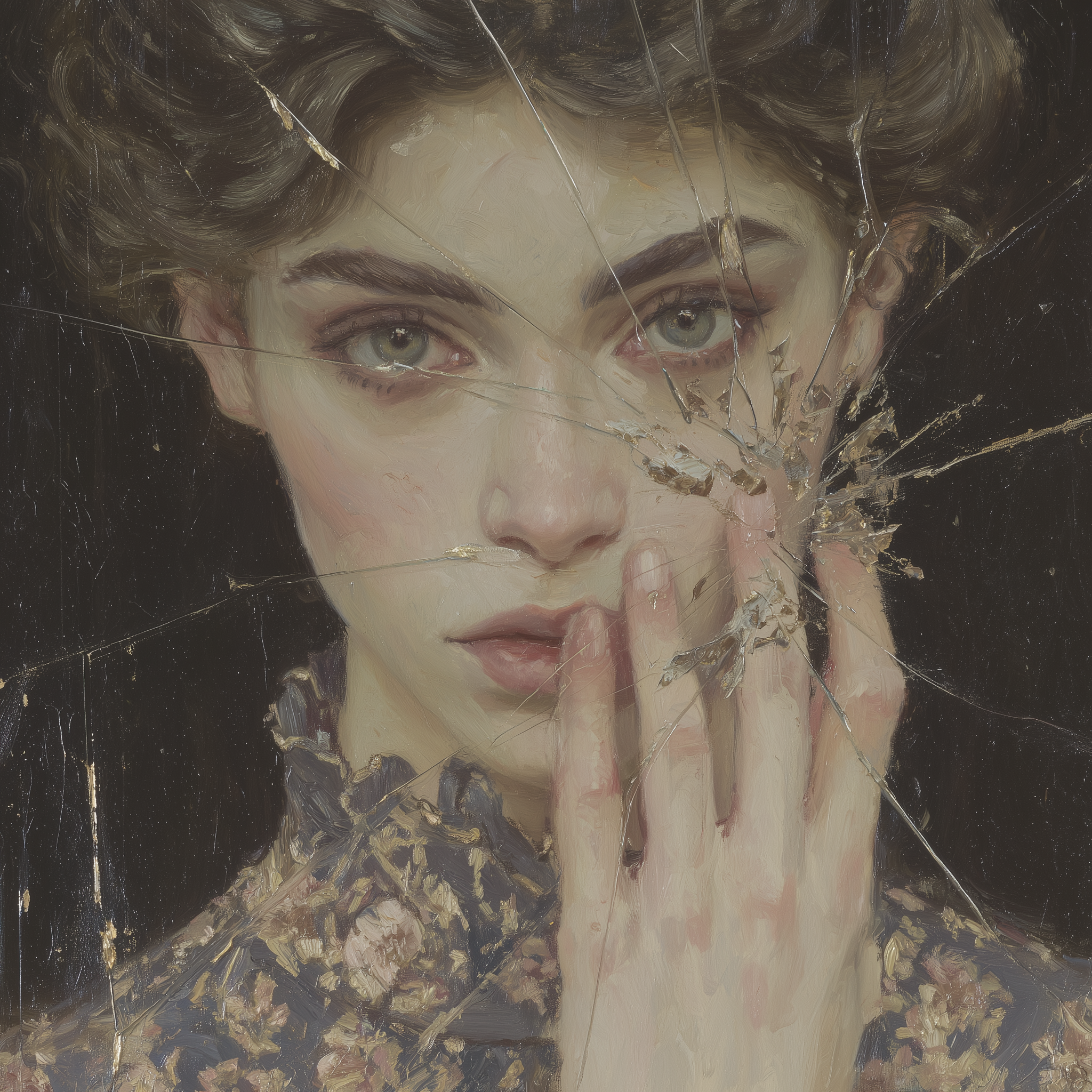
closing reflection –c 90 –exp 100 –weird 900 –stylize 1000 –ar 1:1 –v 7.0 –p okg484f
Generative imagery is, at its core, a dialogue between order and chaos, between human intention and machine emergence. “Free-Range AI” is an experiment in trust — an exploration of what happens when we let the model’s hallucinations breathe.
When I look at these images — half alien, half familiar — I see not randomness but revelation:
evidence that creativity, human or artificial, thrives most fully when given permission to dream beyond instruction.
 The Sorcerer's Apprentice
Leave a comment